Exploring Cabbagetown
HIKE OF THE WEEK
This week’s hike took me to an area that I admittedly did not know much about. Other than a friend from way back in university living there, I have never spent much time in the area of Cabbagetown.
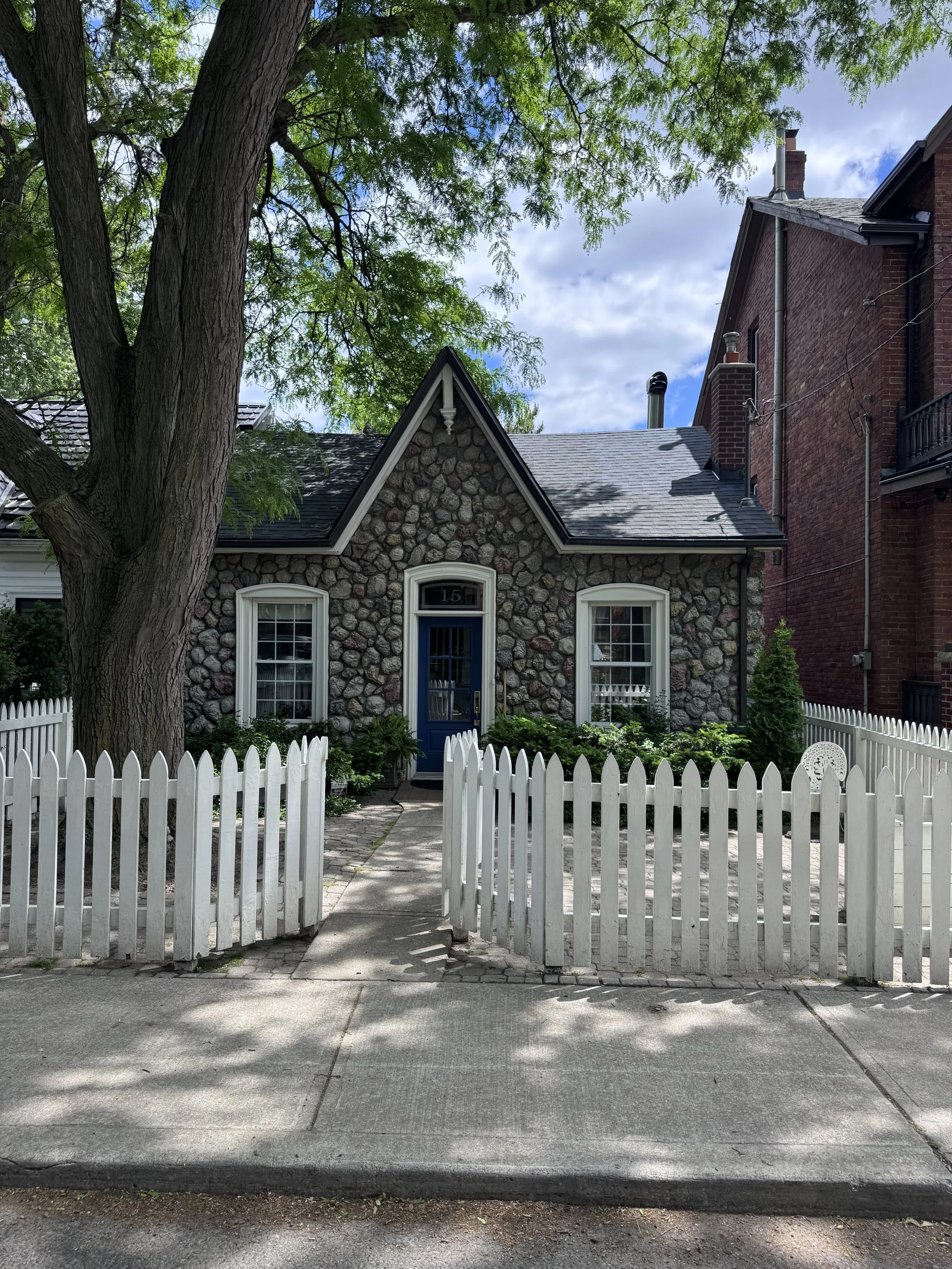
Originally a working-class neighbourhood filled with Irish immigrants (who grew cabbage in their front yards), Cabbagetown nearly disappeared in the mid-20th century when city planners wanted to demolish it for modern high-rises. The community fought back, and today, it’s one of Toronto’s most meticulously preserved historic areas. Many interiors still have their original fireplaces, moldings, and even gas lamp fixtures which have been converted for modern use.
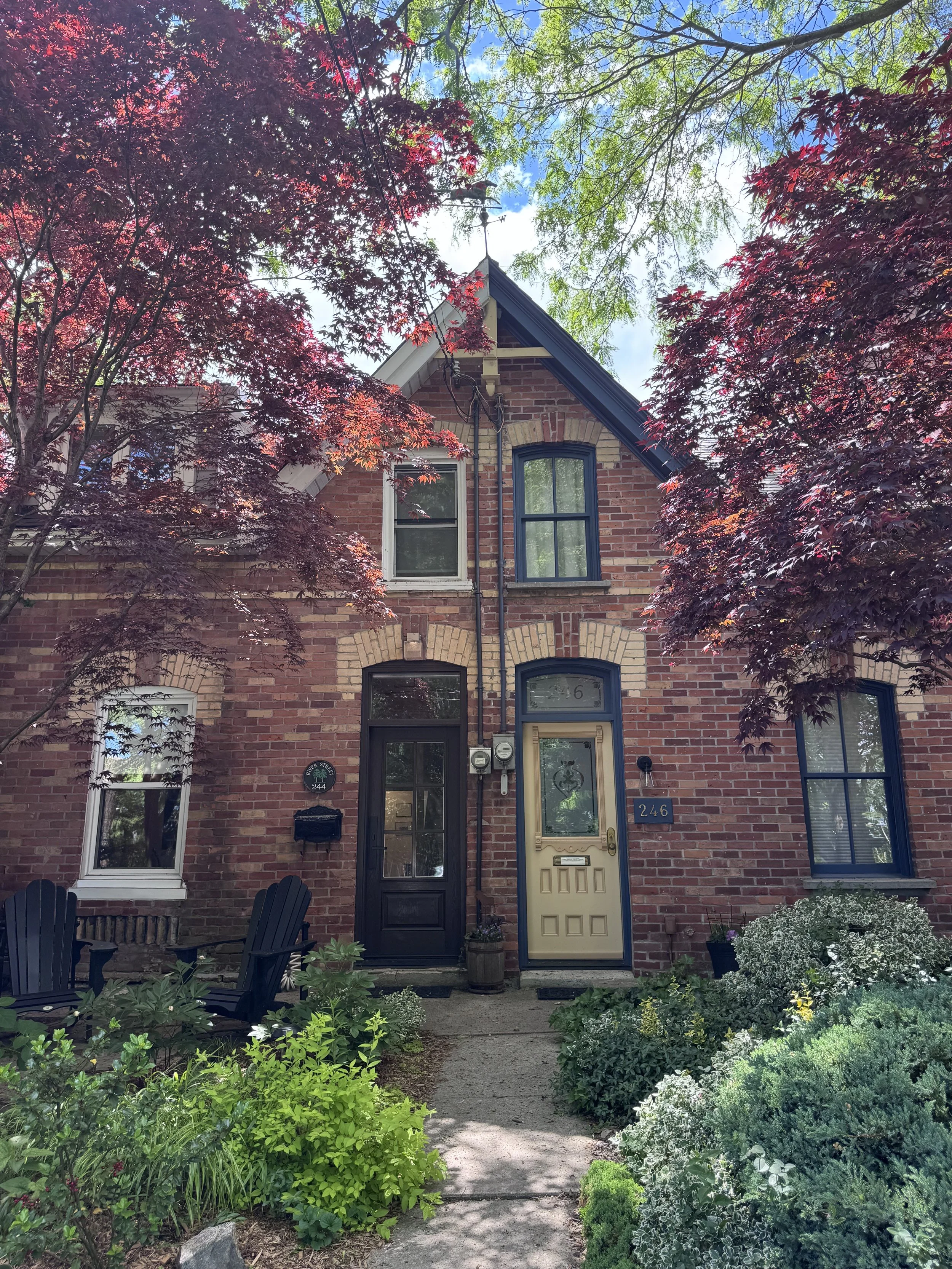
While these homes once housed working-class families, today they are among the most sought-after historic properties in the city. For those drawn to the allure of Toronto luxury real estate, owning a restored Victorian masterpiece here means stepping into a home that carries a rich legacy while offering modern comfort. Cabbage town is considered North America’s largest collection of Victorian Homes!
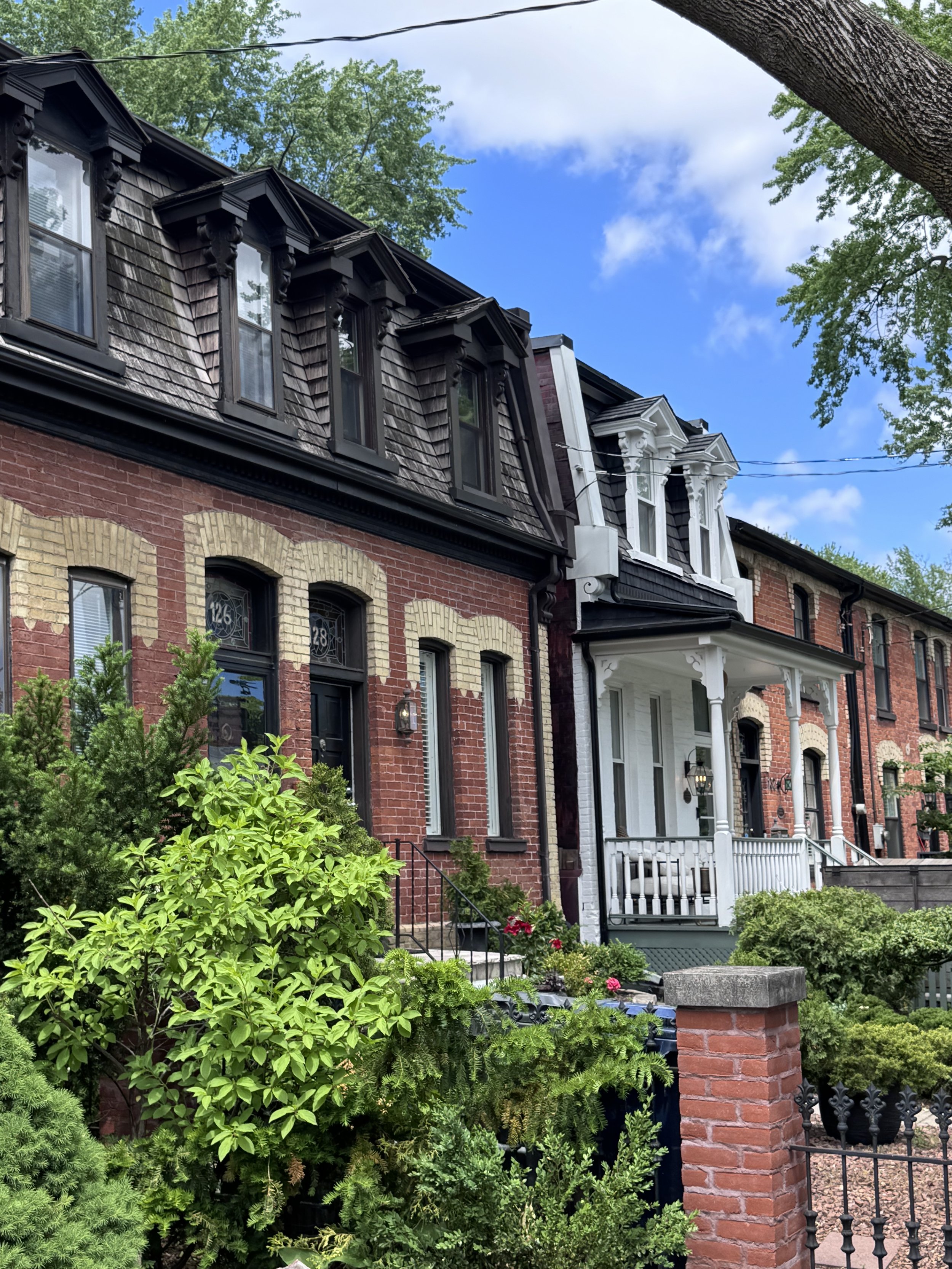
The area today known as Cabbagetown was first known as the village of Don Vale, just outside Toronto. Before the 1850s, it consisted of farmland dotted with cottages and vegetable plots.
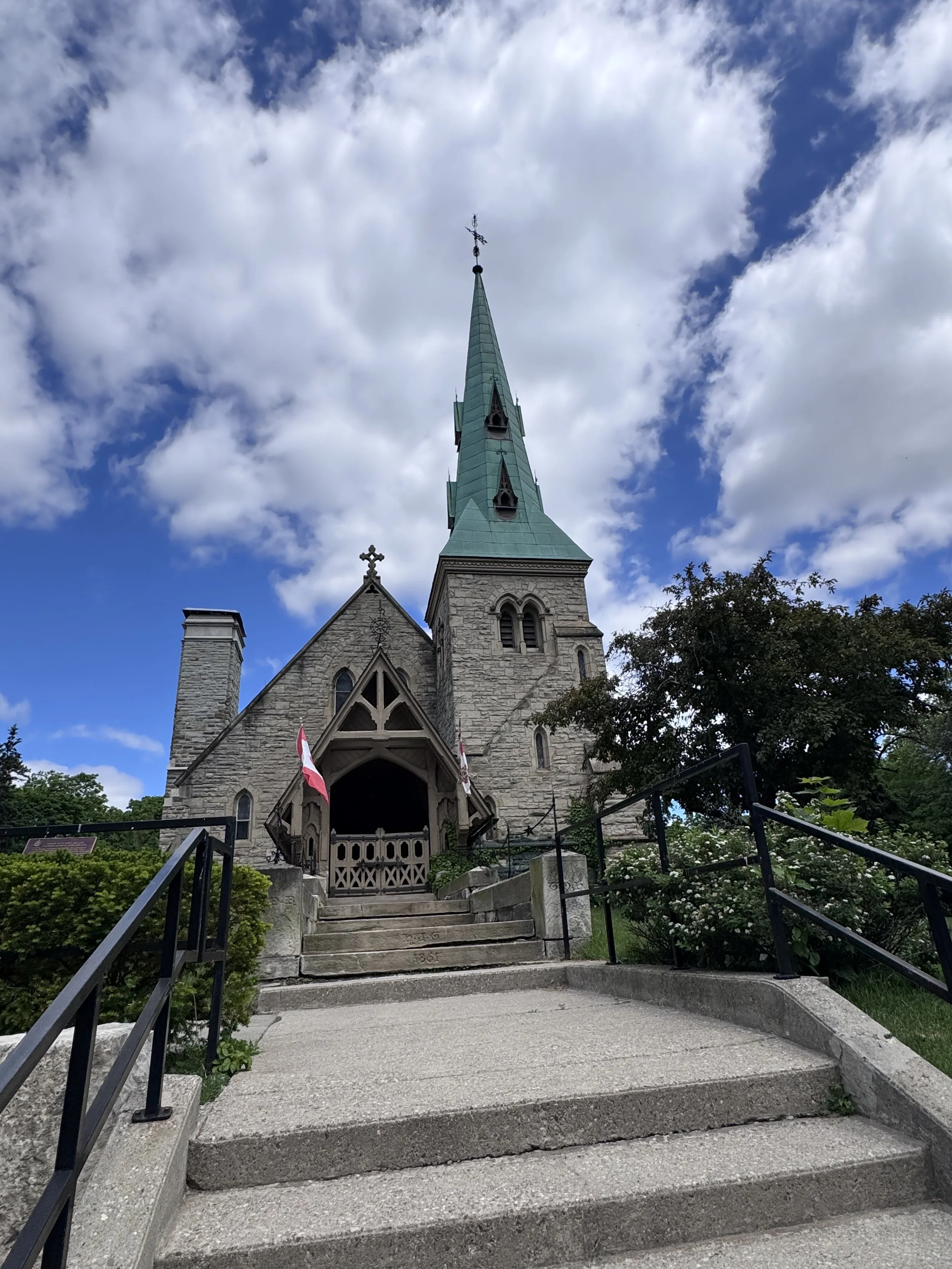
In 1850 the Toronto Necropolis was established in the area as the city's main cemetery.
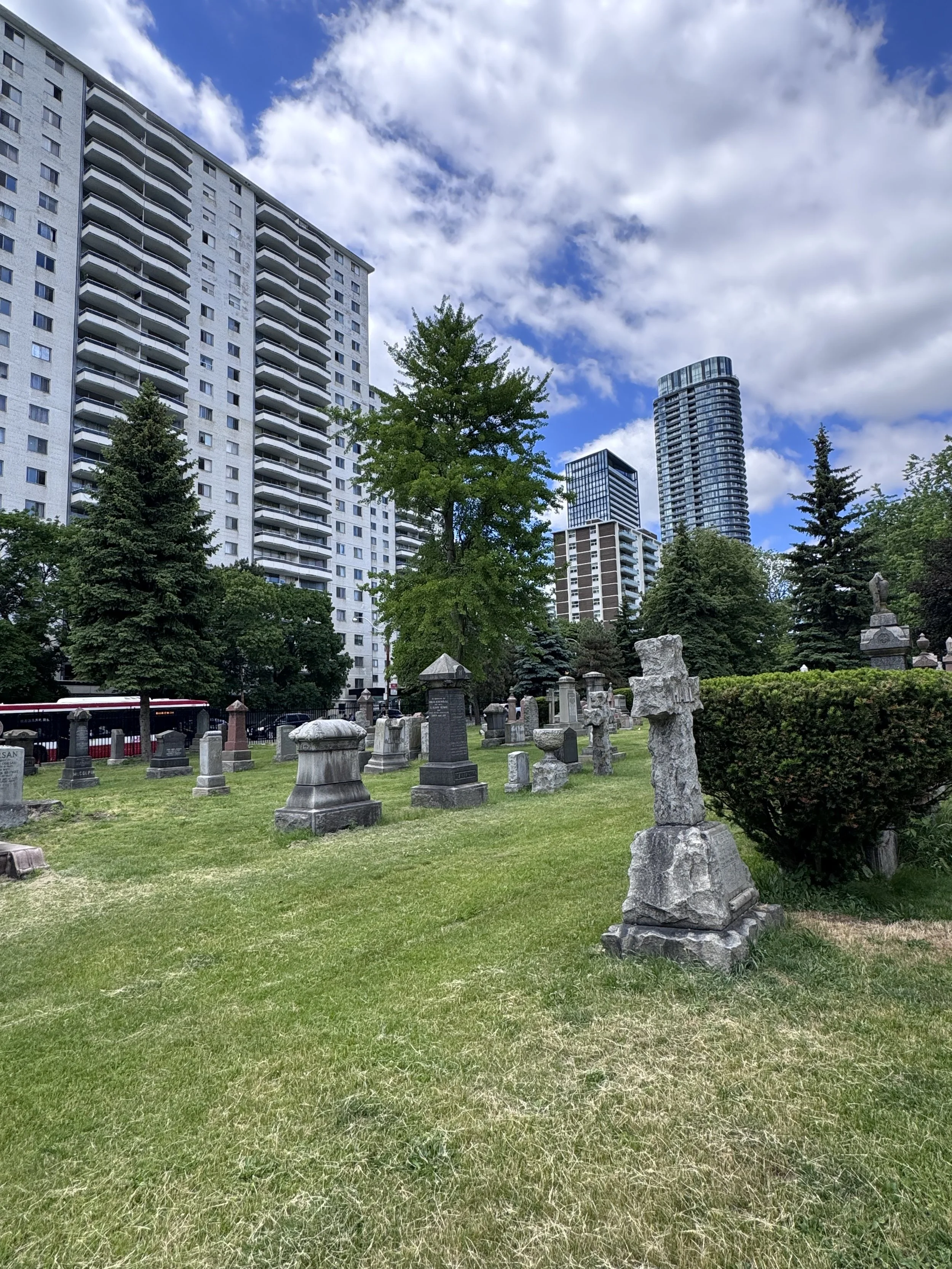
The cemetery contains the war graves of 34 Commonwealth service personnel, 29 from World War I and five from World War II. The cemetery has over 50,000 bodies.
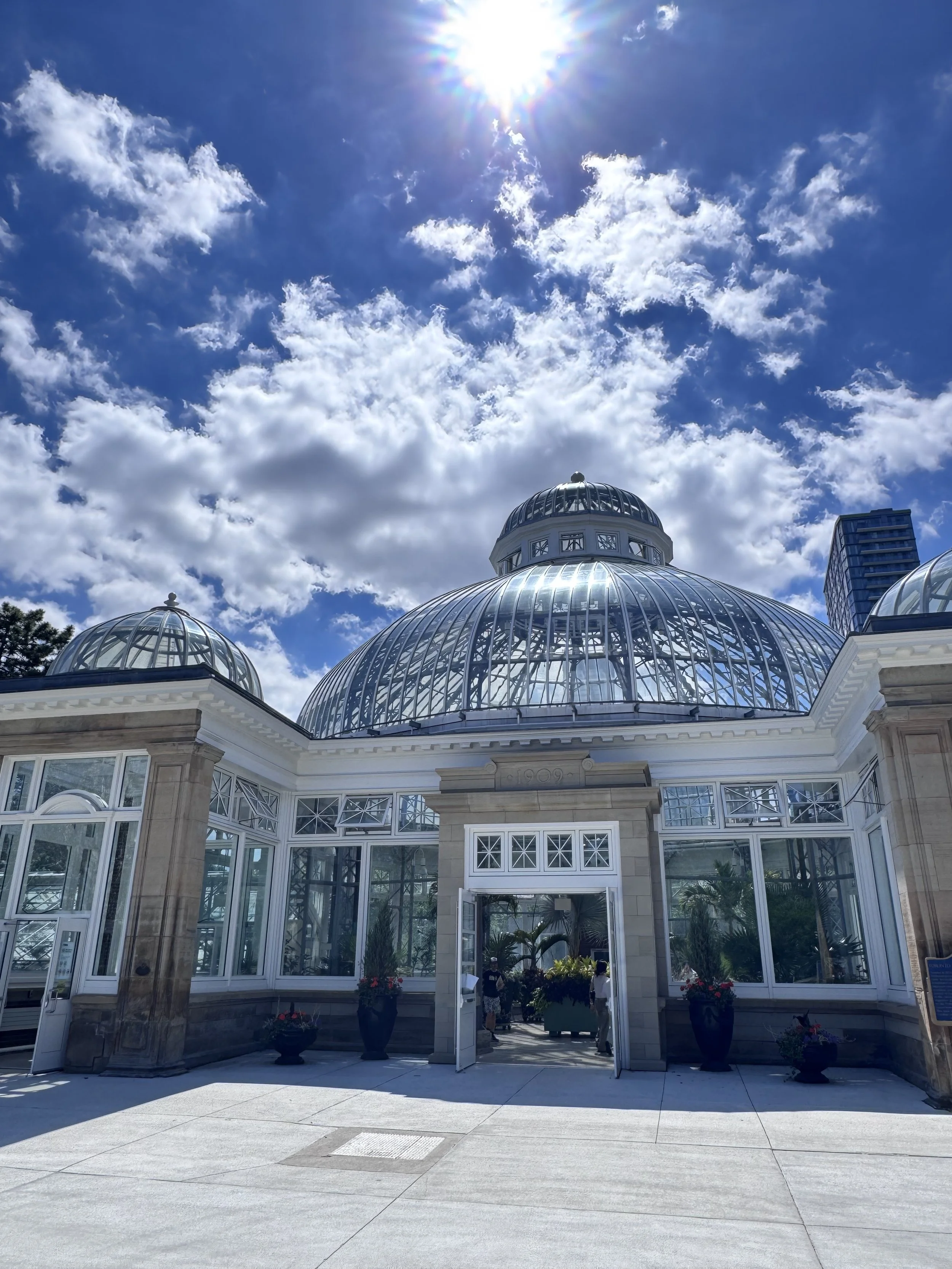
The Toronto Botanical Garden. Formerly known as the Toronto Civic Garden Centre, it was founded in 1958 by the Garden Club of Toronto,
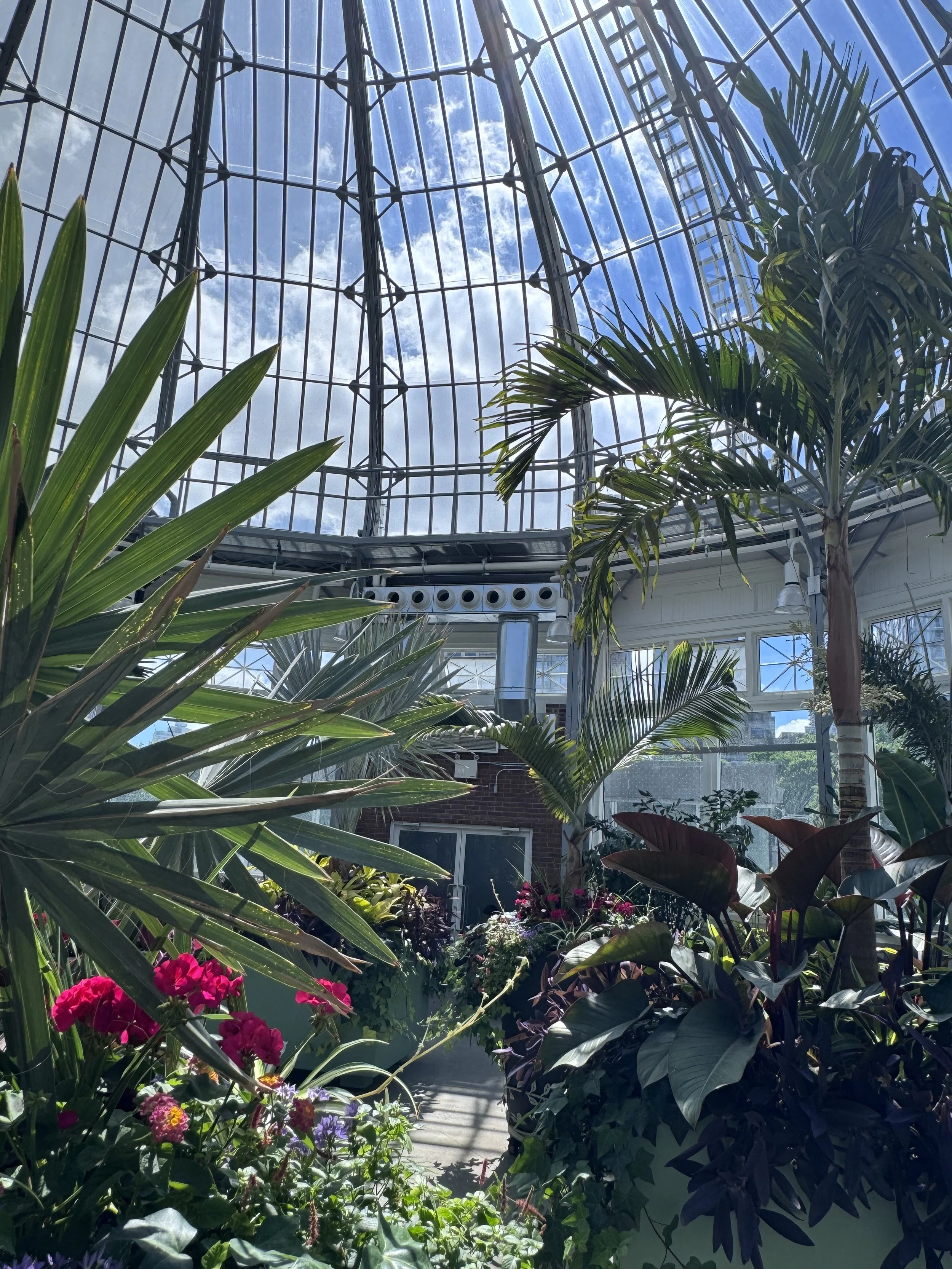
"The little garden with big ideas", is nearly 4 acres and features 17 themed "city-sized gardens". It is a non-profit horticultural and educational organization with a mission to connect people, plants and the natural world through education, inspiration and leadership.
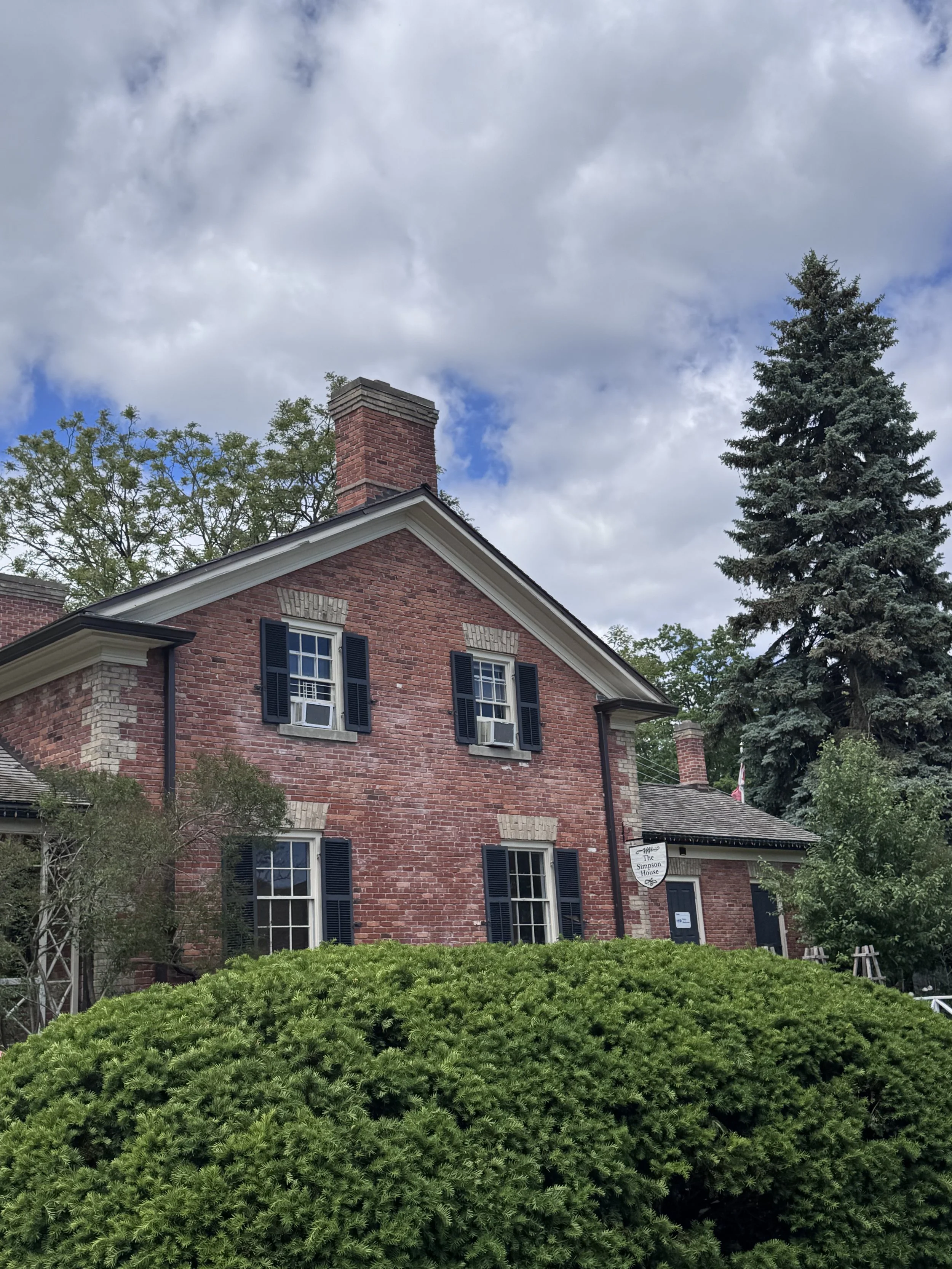
Riverdale Farm, a piece of Toronto’s agricultural past that still operates within the city and a reminder that Cabbagetown was once farmland before urban expansion took over.
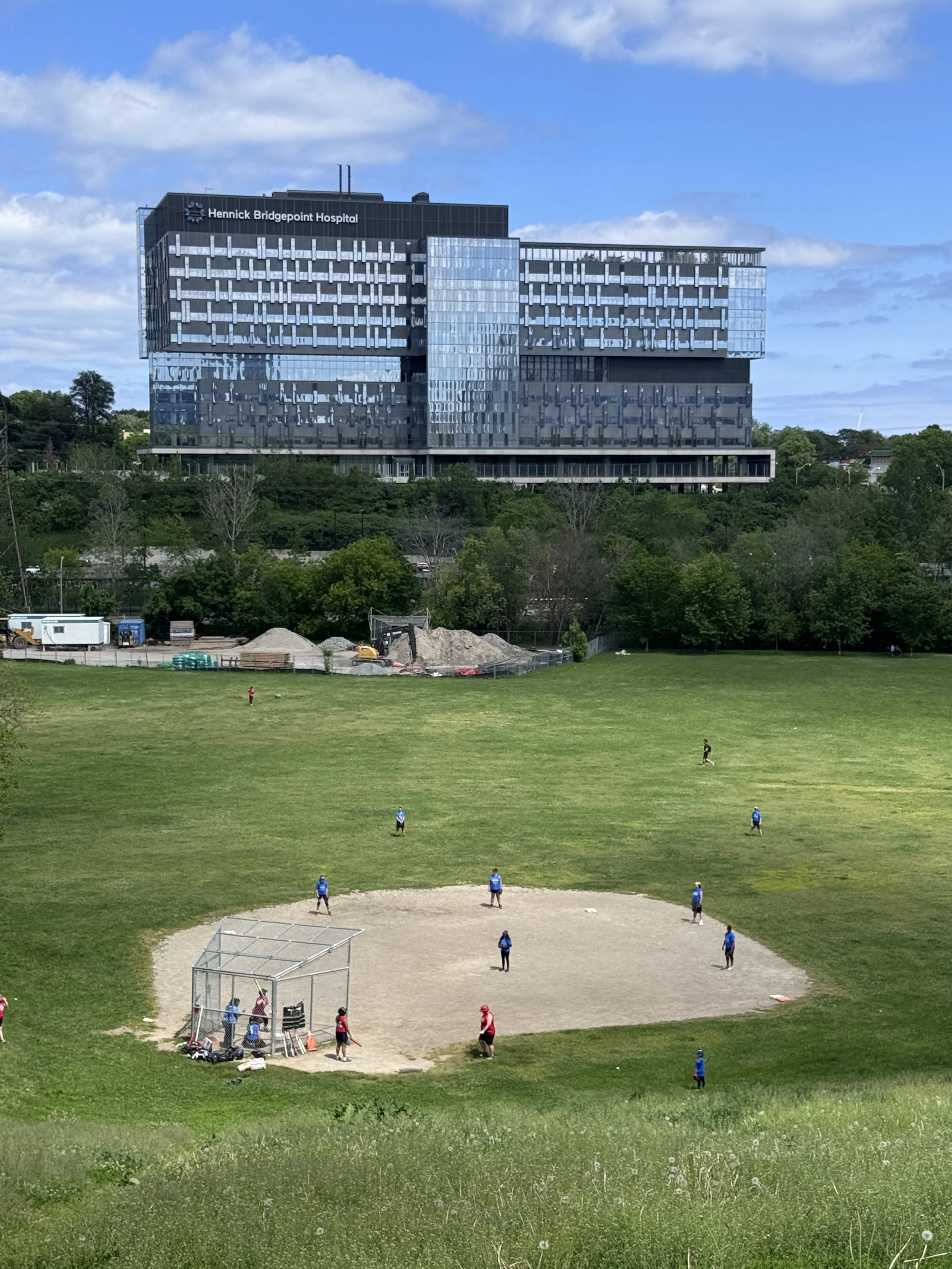
There are two old school baseball diamonds in the heart of Cabbagetown right next to the farm.
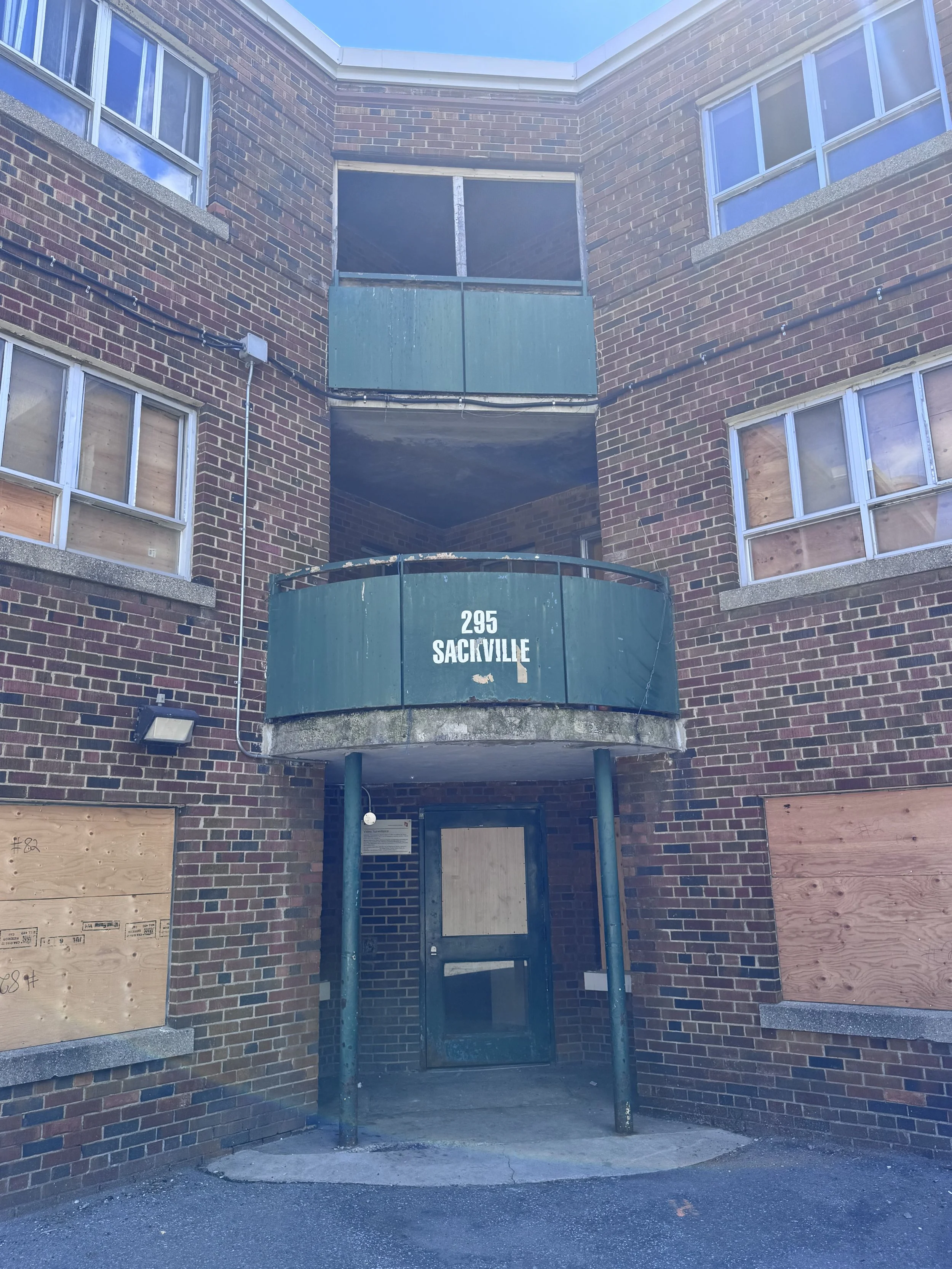
Regent Park is a public housing project that was built in the 1940’s. It has and continues to be redeveloped as this building is slated to be demolished. This is where the televison show Kim’s Convenience is set.
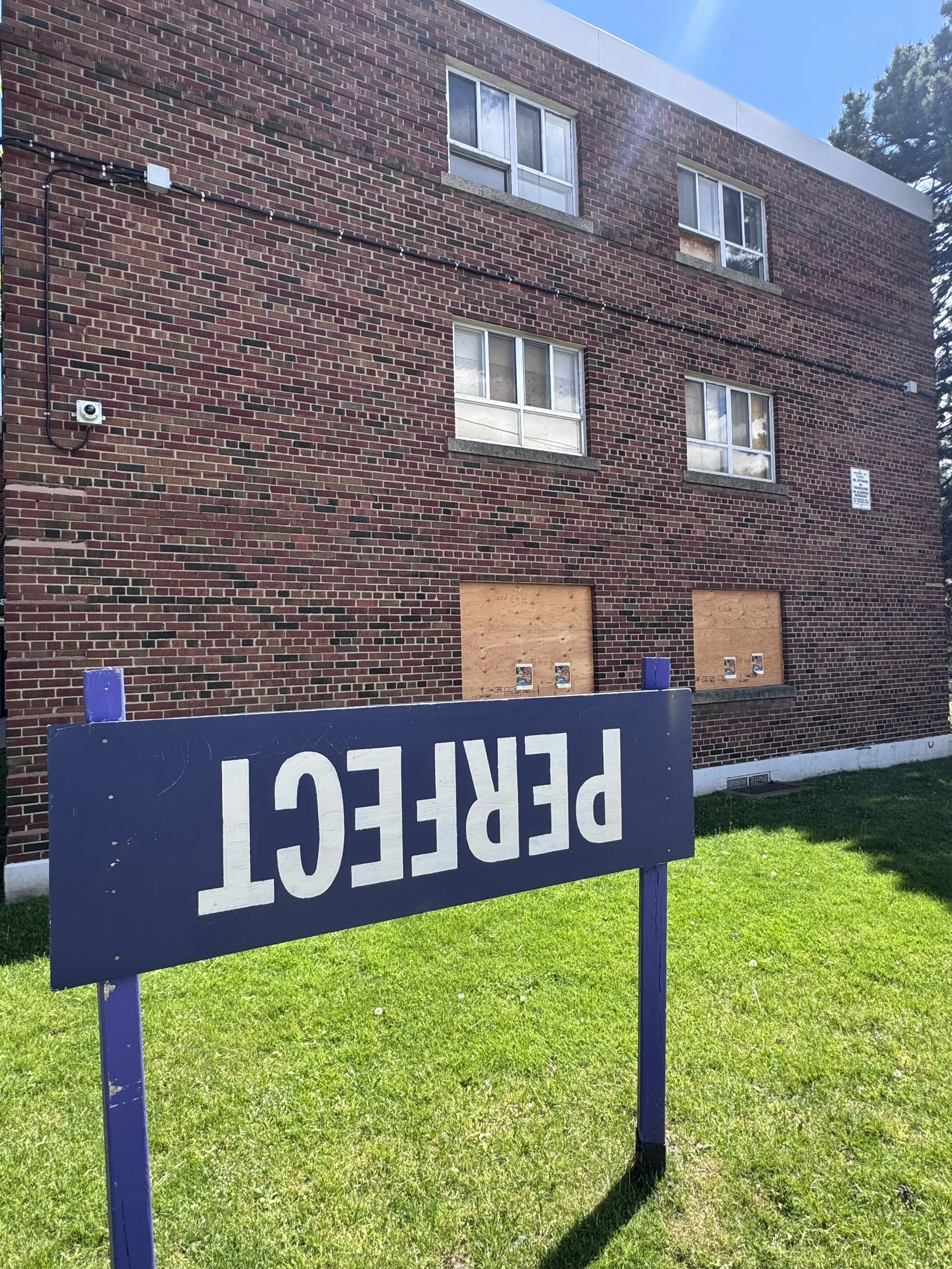
Regent Park's residential dwellings were entirely social housing and covered all of the 69 acres which comprise the community. This sign appears to be created by an artist with a message regarding the current condition of the community.
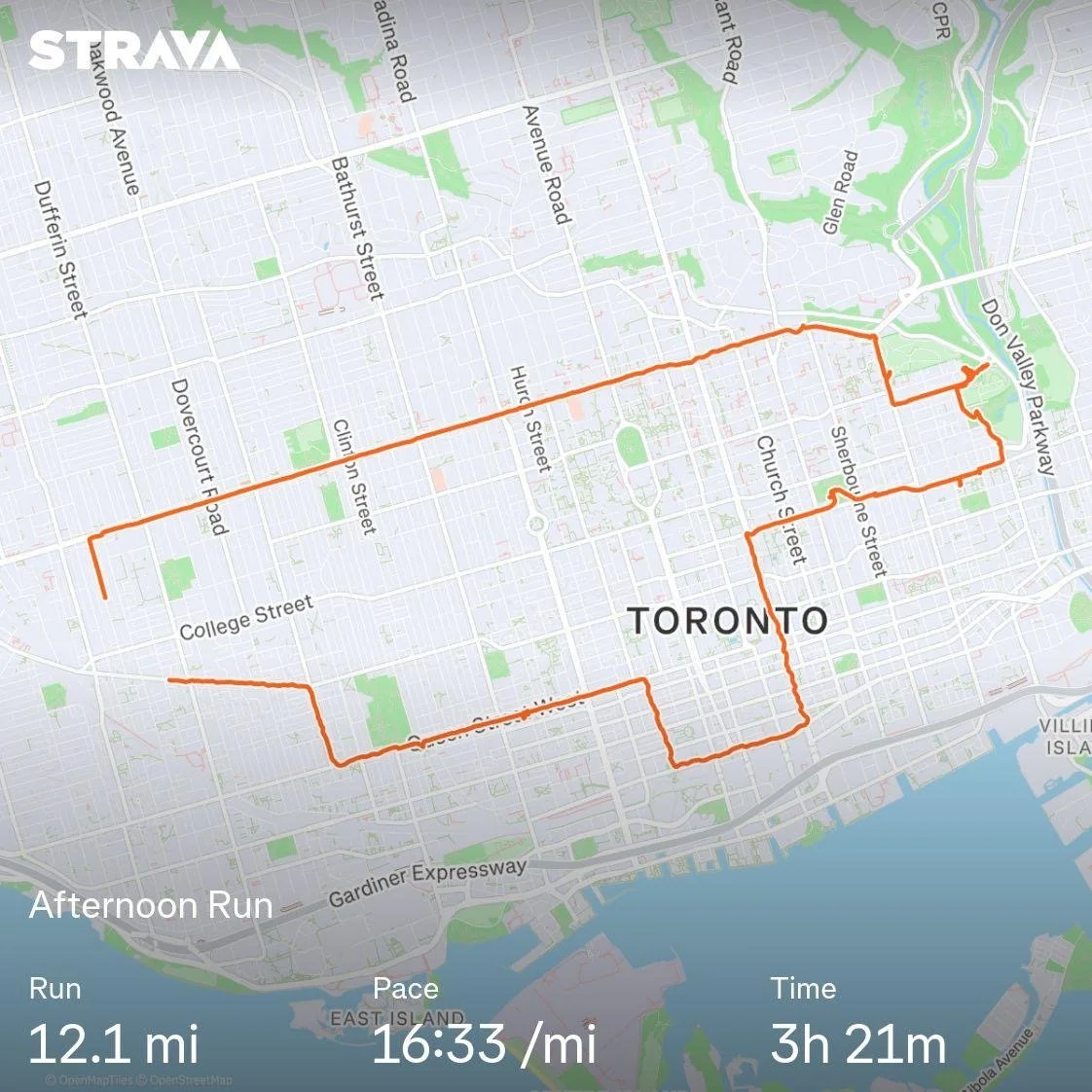
Here is the remainder of the hike where Cabbagetown was explored.
Interesting Vintage Find This Week
As many of you know, I am an unapologetic vintage hunter. When I am hiking on my own, I also incorporate thrifting as if the two functions were meant to go hand in hand.
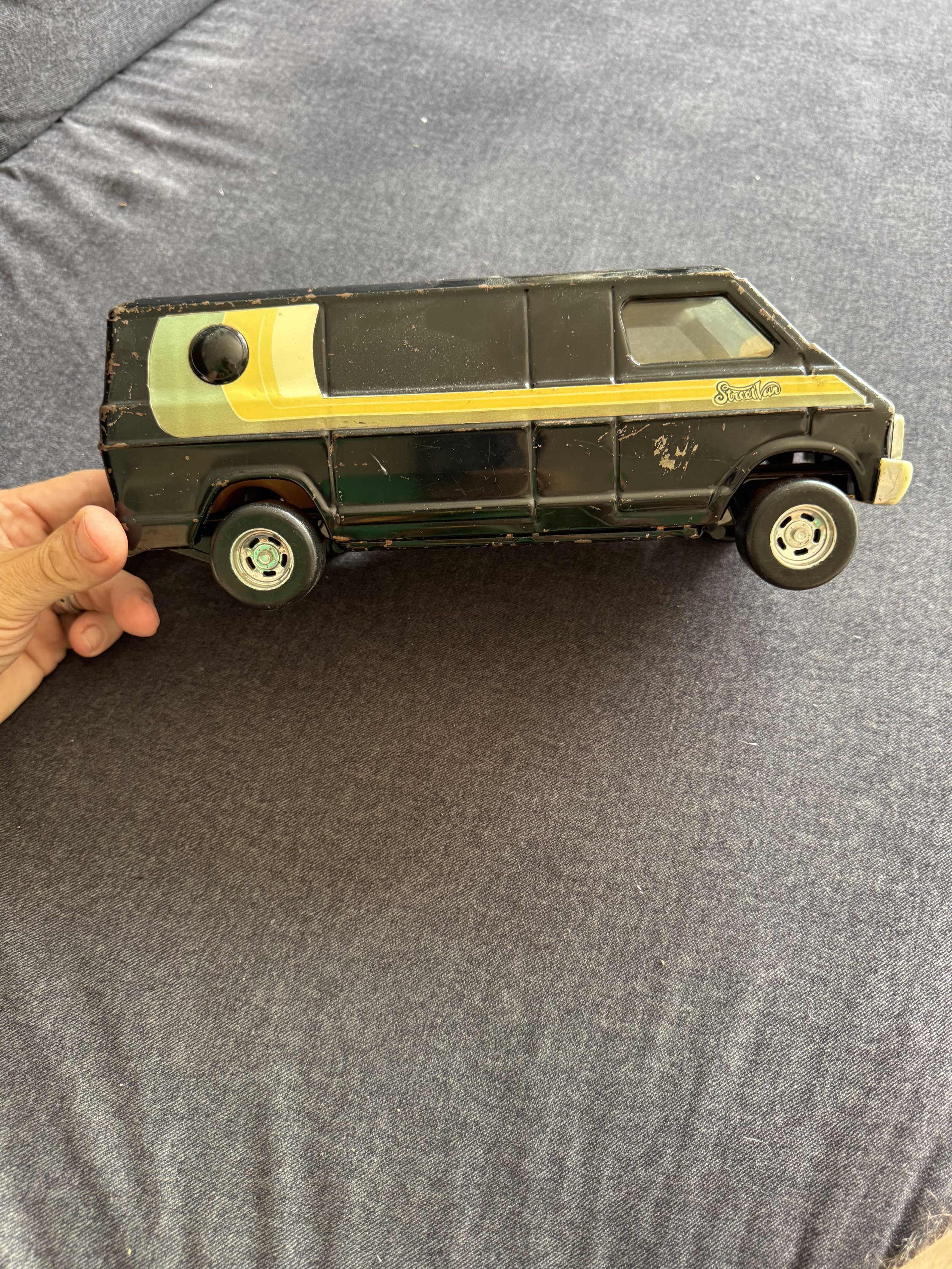
I love this super cool 1970s Ertl Dodge Street Van that I just acquired. The van features awesome orange transition graphics, bubble windows, and an articulating rear door that opens up to reveal an incredible orange interior. With van culture such a relevent conversation today after decades of being considered tacky and ugly, this toy reminds us of the way it was in the 1970’s and early 1980’s.
Ertl is a former American manufacturing company best known for its die-cast metal alloy collectible replicas (or scale models of agricultural machinery. It operated from 1946-1999. Gen X’ers will remember the exclusively licensed Dukes of Hazzard toy cars (Hot Wheels size) that were popular in the early 1980’s.
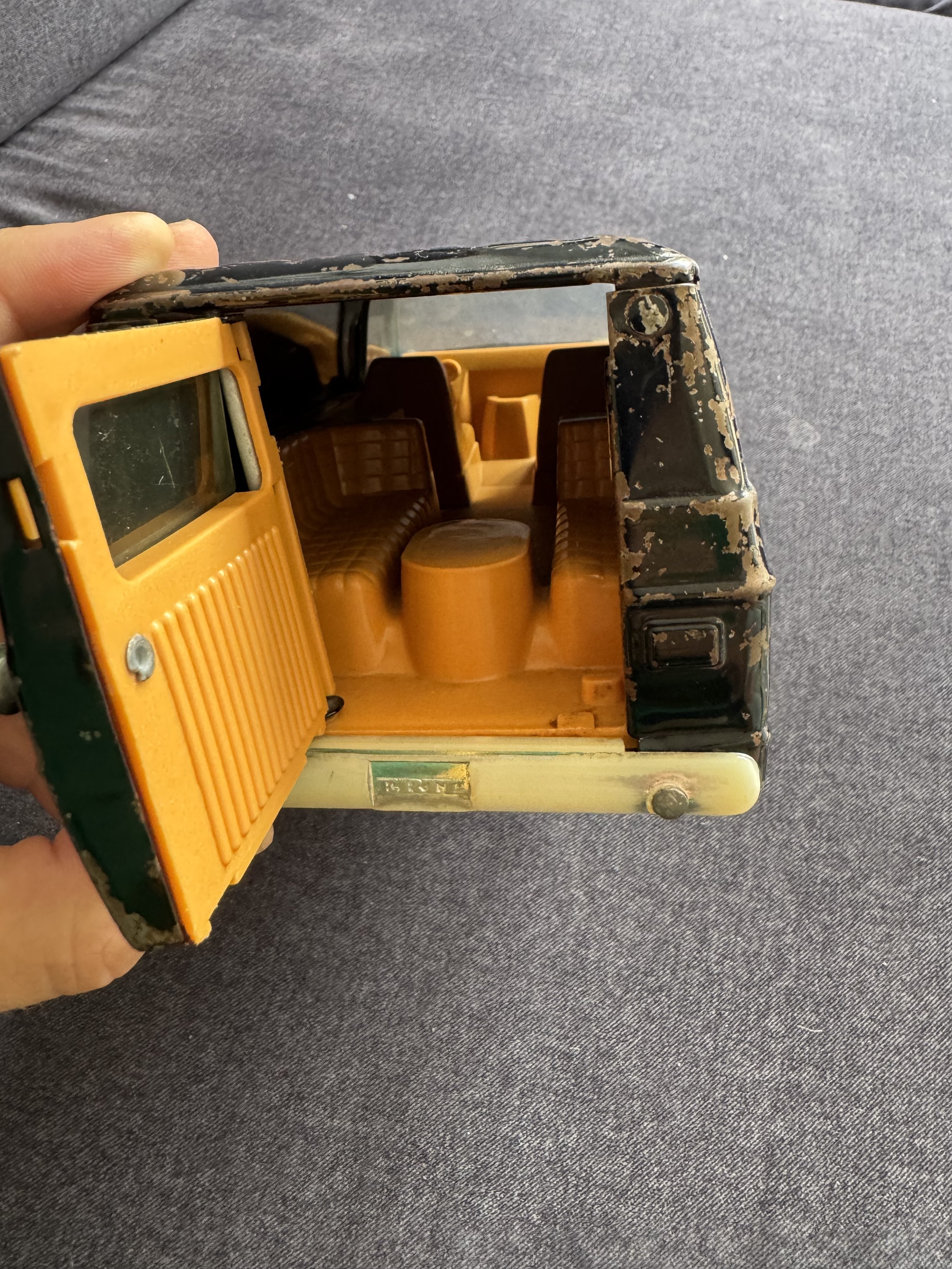
The bottom of the van and the plates are stamped with the Ertl logo. This van was made in their Dyersville, Iowa facility with a now very rare “Made in USA” metal toy.

The dimensions for this van are quite large. 11.25 x 4.5 x 4.25 inches.
Yikes, I am already collecting vintage toys for my future grand kids.
Happy Hiking!
Instagram - urbanhikingtoronto